A rainy evening in Cayman can feel calm until the porch light suddenly fills with flying insects. The next morning you might find tiny discarded wings on the floor, a few insects gathered near a window, or a cluster around outdoor lighting after dark.
Cayman's warm, humid climate lets termites stay active for long stretches of the year, which is why termite control in Cayman is best treated as an ongoing part of property care rather than a once-in-a-while concern.
A swarm doesn't automatically mean your home is already damaged. It does mean termites are active in the area, the weather is helping them move, and your property is worth a closer look.
What Is Termite Swarm Season?
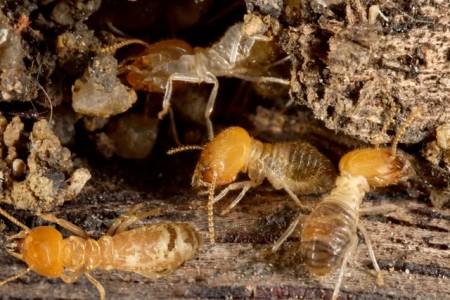
Termite swarm season is the period when winged reproductive termites leave an established colony to start new ones elsewhere. These winged termites are called swarmers, or alates.
They aren't the termites causing most of the damage inside timber — that work is done by the worker termites, which stay hidden and feed quietly out of sight. Swarmers have a different job: they leave the colony in groups, pair off, shed their wings, and try to establish a new colony wherever conditions allow.
In Cayman, swarms are most often noticed around:
- Porch and patio lights
- Patio and sliding doors
- Window frames
- Balconies
- Outdoor kitchens
- Garages
- Garden structures
- Brightly lit commercial entryways
Why Swarms Are So Often Noticed After Rain
Cayman's weather drives a lot of termite activity. Warm air, humidity, rainfall, and damp soil all make it easier for termites to move, and after rain — particularly on humid evenings — swarmers tend to become far more visible around homes and commercial properties.
It's one of the reasons swarm season feels so noticeable here. Cayman has no cold winter to pause pest activity for months at a time, moisture is a year-round part of property maintenance, and many buildings have outdoor timber, fencing, decks, shaded garden beds, or storage areas that hold dampness.
Does Seeing Flying Termites Mean Your Home Is Infested?
This is usually the moment people either panic or wave it off as “just insects after the rain.” Neither reaction helps. A more useful way to read the situation:
Flying termites outside near lights — there may be a colony nearby, but not necessarily inside your home.
Flying termites inside the house — more concerning, and worth checking quickly.
Discarded wings indoors — swarmers may have got inside and shed their wings, which means activity could be closer than expected.
Repeated swarms in the same spot — not something to write off as a one-time weather event.
What to Check After a Swarm
Once the swarm has passed, take a few minutes to look over the areas where it appeared. You don't need to identify the species yourself — what matters is spotting patterns and keeping any useful evidence. Start with the obvious spots:
- Window sills
- Sliding and patio doors
- Door frames
- Patio light fixtures
- Balcony corners
- Garage edges
- Baseboards along exterior walls
- Decks and steps
- Wooden fences and posts
- Garden beds close to the house
- Foundation edges
- Damp storage areas
Then look at what the swarm may have left behind. Small piles of wings matter, and so do dead insects near light sources. If you also see mud tubes, hollow-sounding or soft timber, blistering paint, or tiny pellet-like droppings, the concern becomes more serious.
Why Swarm Season Matters for Property Value
A home can look well maintained from the outside while termites are active in places you can't see. By the time damage is found, repairs can reach flooring, wall sections, door frames, built-in cabinetry, roof timbers, or outdoor structures.
For rental properties, hotels, strata buildings, and commercial premises the stakes are wider still, touching guest comfort, tenant confidence, repair planning, and long-term maintenance budgets. A swarm sighting doesn't always mean the damage is already severe — but it's often the moment that lets you act before repair costs climb.
What Not to Do When You See a Swarm
It's natural to want the insects gone straight away, but a few quick reactions can make the problem harder to understand.
- Don't just spray and assume it's solved. Killing the swarmers you can see doesn't tell you where the colony is.
- Don't clean everything before taking photos. Wings, insects, and location details all help with identification.
- Don't seal or paint over suspect timber yet. Covering it up hides clues that should be inspected.
- Don't wait for visible damage. Termites often eat through wood from the inside long before the surface looks bad.
What to Do Instead
A calm, step-by-step response works best:
- Photograph the area. Capture the insects, the wings, and where they turned up.
- Check nearby timber. Listen for hollow sounds and feel for soft spots or blistered paint.
- Reduce light attraction. During active swarming, keep bright outdoor lights down where you can.
- Check screens and gaps. Damaged screens, loose seals, and small openings around doors all let swarmers in.
- Book an inspection if the signs repeat — it takes the guesswork out of it.
If you'd like to understand what a thorough inspection involves, this guide to termite inspection in Cayman is a useful next read.
How Termite Control Works After Swarm Season
A technician's first job is to understand what's actually present: the type of termite activity, where the insects were seen, whether there are entry points, and whether moisture conditions on the property could be supporting an infestation.
Depending on what's found, treatment may involve:
- Baiting and colony-elimination systems
- Soil treatment
- Wood treatment
- Targeted applications
- Moisture-related recommendations
- Entry-point checks
- Ongoing monitoring
There's no single treatment that suits every property — a timber deck, a private home, a strata building, and a commercial kitchen can each call for a different approach.
At Pestkil, our termite work centres on the Sentricon® termite colony elimination system, and we were the first approved Corteva specialists on the island. Where a structural treatment is needed, we also offer heat treatment as an alternative to fumigation. We've protected Cayman properties since 1982 and work to IPM standards as members of the NPMA, so the recommendation you get is matched to what your property actually needs rather than a one-size-fits-all package.
Why Prevention Matters in Cayman
Cayman's climate doesn't follow a neat pest calendar. Termites, ants, roaches, mosquitoes, rodents, and more can all become more noticeable as conditions shift. For termites, prevention usually comes down to watching the property's weak points:
- Wood stored too close to the building
- Damp soil against exterior walls
- Poor drainage
- Leaking pipes
- Overgrown landscaping
- Untreated wooden structures
- Cracks around the foundation
- Bright lights near entry points during swarm periods
For a wider view of property protection, Protecting Your Cayman Home: Specialty Pest Threats (Scorpions, Centipedes & More) is also worth a read.
The Bottom Line
A few flying termites around an outside light may pass quickly. Wings inside the home, repeated swarming, mud tubes, hollow wood, or soft frames tell a different story — those are the signs that deserve attention before the damage becomes harder to manage.
For homeowners, landlords, property managers, and business owners across Cayman, swarm season is a reminder to stay alert. If you're not sure whether the swarmers you're seeing are just passing through or pointing to active termites, Pestkil can confirm it and recommend the right next step.



 This site uses cookies to serve our services. By using our site, you acknowledge that you have read and understand our