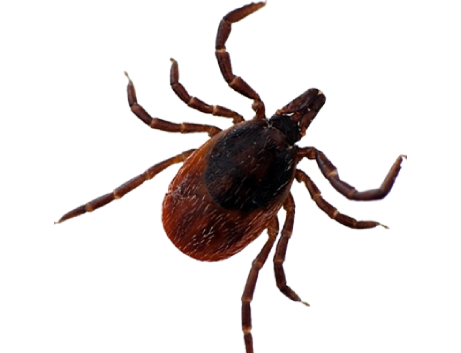
A walk through the garden, a few hours outside with the family, or a pet coming back in from the yard can all seem like normal parts of daily life in Cayman. Then you notice a tick.
Sometimes it is found on a pet. Sometimes it is on clothing, outdoor furniture, or inside the home. One tick does not always mean there is a major problem, but repeated sightings are a sign that the property may need a closer look.
Cayman’s warm climate, outdoor lifestyle, landscaping, and year-round conditions can create opportunities for ticks to remain active. That is why tick treatment in Cayman is not about waiting until the problem becomes difficult to manage. It is about understanding the conditions that allow ticks to survive and taking action before activity increases.
The right treatment frequency depends on the property, the level of activity, outdoor conditions, and the risk factors around the home.
Why Tick Activity Can Be Difficult to Eliminate Completely
One of the biggest misconceptions about tick control is that a single treatment permanently solves the problem. A professional tick treatment can significantly reduce active populations, but it cannot always prevent new ticks from being introduced later.
Ticks commonly arrive through:
- Pets that spend time outdoors
- Wildlife moving through the property
- Neighbouring vegetation
- Untreated surrounding areas
- Favourable environmental conditions
This is why tick management is often an ongoing process rather than a one-time event.
In Cayman's warm climate, where outdoor living is part of everyday life, long-term prevention is usually more effective than waiting until ticks become noticeable again.
How Often Should You Treat Your Property for Ticks?
The honest answer is that there is no single schedule that suits every property. The right treatment frequency depends on several factors, including the property's environment, landscaping, pet activity, and history of tick problems.
Properties With Minimal Tick Activity
If ticks are rarely seen and the property is well maintained, periodic inspections and preventative treatments may be enough to keep activity under control.
Properties With Pets
Dogs and other outdoor pets are among the most common ways ticks move around a property.
If pets spend significant time outdoors or frequently visit parks, beaches, trails, or heavily vegetated areas, more regular monitoring may be needed.
Properties With Dense Landscaping
Large gardens, shaded yards, thick vegetation, and areas that retain moisture often provide more opportunities for ticks to survive.
These properties may require more attention than locations with limited landscaping.
Properties With Recurring Tick Problems
If ticks continue to reappear after previous treatments, it usually indicates that the conditions supporting them have not been fully addressed.
In these situations, a customised treatment plan is often more effective than treating only when ticks become visible.
Signs Your Property May Need Professional Tick Treatment
Ticks can be difficult to manage because they are small and often found in areas people do not regularly check.
Signs that your property may need attention include:
- Pets repeatedly bringing ticks indoors
- Finding ticks around pet bedding or resting areas
- Increased tick sightings in gardens or outdoor spaces
- Family members finding ticks after spending time outside
- Tick activity returning after cleaning or basic treatments
- Dense vegetation or shaded damp areas around the property
If the same areas continue producing tick sightings, treating only the visible problem may not address the source.
Where Ticks Hide Around Cayman Properties
Ticks do not need a large overgrown area to survive. Small, sheltered spaces can provide suitable conditions.
Common areas to check include:
- Garden edges and areas around shrubs
- Under dense landscaping
- Along fences and property boundaries
- Pet resting areas
- Outdoor furniture
- Beneath decks and shaded structures
- Leaf piles and organic debris
- Storage areas
- Areas where pets regularly spend time
Regular property maintenance helps reduce risk, but larger properties often need a more detailed inspection because activity can be spread across multiple areas.
Why One-Time Tick Treatment May Not Be Enough
Seeing fewer ticks after a single treatment does not always mean the problem has disappeared.
Ticks can move through different life stages, and new activity can continue if conditions around the property remain suitable. Outdoor environments also keep changing. Rain, vegetation growth, animal movement, and landscaping changes can all influence where ticks are found.
A professional approach focuses on more than the ticks that are visible. It looks at:
- Where tick activity is happening
- Which areas are creating risk
- How pets and people move around the property
- What conditions may allow ticks to continue
This helps create a treatment plan that matches the property rather than relying on a one-time response.
How Professional Tick Treatment in Cayman Works
Property Inspection
The first step is understanding the property.
A professional inspection looks at outdoor areas, landscaping, pet zones, shaded areas, and places where ticks are most likely to be found. This helps identify activity points and possible sources.
Targeted Treatment
Tick treatment focuses on areas where activity is most likely rather than applying the same approach everywhere.
Depending on the property, treatment may focus on:
- Vegetated areas
- Outdoor pet spaces
- Shaded resting areas
- Property edges
- Other identified tick activity zones
Prevention Recommendations
Long-term tick management also involves reducing conditions that support activity.
This may include:
- Keeping vegetation managed
- Removing excess leaf buildup
- Checking outdoor pet areas regularly
- Reducing unnecessary moisture around the property
- Checking pets after outdoor activity
Professional treatment works best when combined with practical property care.
Tick Prevention as Part of Wider Pest Management
Tick activity is often a reminder to look at the wider condition of a property. Outdoor areas that provide shelter for ticks can also create opportunities for other pests when food, moisture, or hiding spaces are available.
For example, properties with outdoor storage areas, gaps, and food access points may also experience rodent activity. If this becomes a concern, our guide on Rodent Control in Cayman explains common risks and prevention methods.
Tick Prevention Tips for Cayman Property Owners
Treatment is one part of managing ticks. Property habits also play an important role.
Some practical pest prevention tips include:
- Keep grass and vegetation maintained
- Remove excess leaf buildup around outdoor areas
- Check pets after outdoor activity
- Wash outdoor pet bedding regularly
- Reduce unnecessary moisture around the property
- Store outdoor items properly
- Keep shaded areas clean and accessible for inspection
These steps can help reduce the conditions that allow ticks and other pests to remain active.
How Pestkil Approaches Tick Treatment in Cayman
At Pestkil, tick treatment starts with understanding the property and the conditions supporting tick activity.
A home with several pets, a large landscaped garden, and frequent outdoor use may require a different approach from a smaller property with limited outdoor exposure. The focus is on identifying risk areas and recommending treatment based on what the inspection shows.
Pestkil has protected Cayman homes and businesses since 1982, with trained technicians and IPM-based methods that focus on understanding pest activity rather than applying a one-size-fits-all approach.
FAQ:
How often should I treat my property for ticks in Cayman?
It depends on the property, tick activity, landscaping, pets, and outdoor conditions. Properties with repeated sightings may need more regular attention than properties with lower risk factors.
Can ticks live inside a home?
Ticks are mainly associated with outdoor environments, but they can enter homes through pets, clothing, and outdoor items. If indoor sightings continue, the source should be investigated.
Do I need tick treatment if I do not have pets?
Pets can increase the risk, but they are not the only factor. Ticks can also be introduced through outdoor activity, vegetation, and other animals.
Why do ticks keep coming back after treatment?
Repeated activity may mean there are ongoing conditions supporting ticks around the property. Monitoring the area and identifying the source is important for long-term control.
What is the best way to prevent ticks around my property?
Regular property maintenance, checking pets after outdoor activity, reducing hiding areas, and arranging professional treatment when needed can all help reduce tick risks.
Conclusion
Ticks are easier to manage when the source is understood early. A property with pets, landscaping, shaded areas, or frequent outdoor activity may need more attention than a property with fewer risk factors.
How often a Cayman property needs tick treatment depends on its level of activity, outdoor conditions, pets, landscaping, and history of recurring problems.
If tick sightings keep returning or you want to understand the risk areas around your property, Pestkil can assess the situation and recommend the right next step to help protect your property from pests.




 This site uses cookies to serve our services. By using our site, you acknowledge that you have read and understand our