As Cayman moves out of the wetter months, property maintenance often shifts too. Drainage gets checked, outdoor areas are cleaned up, leaks are repaired, and landscaping is brought back under control.
Cayman’s dry season generally runs from November through April, but less rainfall does not mean termite activity stops. Temperatures stay warm, and termites can remain active throughout the year. In fact, the Cayman Islands Residential Code classifies termite infestation probability across the islands as “Very Heavy.”
A termite inspection in Cayman before the dry season gives property owners a chance to check areas affected by moisture, timber exposure, soil contact, and the wetter months before hidden activity turns into more serious damage.
Why a Pre-Dry Season Termite Inspection Matters in Cayman
The wetter months can leave conditions behind that deserve another look.
- Water may have collected close to a foundation.
- A roof leak may have affected attic timber.
- Landscaping may have grown against exterior walls.
- Fence posts, decks, or pergolas may have remained damp for long periods.
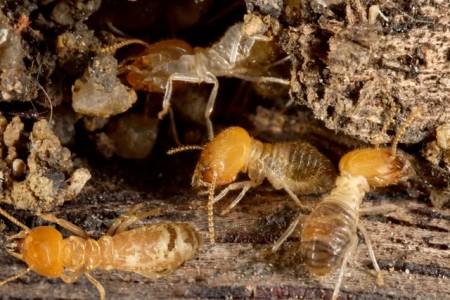
These areas can be particularly relevant to subterranean termites, which live in soil-associated colonies and can enter buildings through cracks, plumbing penetrations, expansion joints, and places where timber contacts soil.
A seasonal property check is therefore less about assuming termites suddenly become active and more about reviewing what may have changed around the property during the wetter part of the year.
Are Termites Active Year-Round in Cayman?
Cayman does not experience the cold winter conditions that interrupt termite activity in many other places. Subterranean termites are closely associated with soil and moisture. Drywood termites, often called chi chi locally, are different. They can live entirely inside timber without needing contact with soil.
That means a dry property is not automatically a termite-free property. Drywood termites may be present in roof timber, frames, cabinetry, baseboards, furniture, or other wooden areas even when there is no obvious moisture problem.
10 Areas to Check Before Dry Season
You do not need to pull a property apart to carry out a useful visual check. Start with areas where timber, moisture, soil, and weather exposure come together.
1. Roof and Attic Timber
Check accessible roof timber for frass, discarded wings, small holes, damaged surfaces, or timber that appears weakened.
2. Door and Window Frames
Look around joints, corners, and lower sections of frames. Repeated wings, frass, or unexplained timber damage deserve attention.
If discarded wings are what first caught your attention, Pestkil’s Termite Swarm Season in Cayman guide explains what different swarm sightings can mean.
3. Baseboards
Pay particular attention to baseboards along exterior-facing walls or in rooms that have experienced moisture problems. Small pellet-like piles that return after cleaning may indicate drywood termite activity.
4. Cabinets and Built-In Timber
Check kitchen cabinets, bathroom vanities, shelving, and built-in furniture. Drywood termites do not need soil contact to infest timber inside the home.
5. Wooden Decks
Inspect boards, stairs, support posts, joints, and shaded areas. Look for soft timber, mud tubes, damage, or sections that remain damp.
6. Fences and Pergolas
Check the base of wooden posts and areas where timber touches or sits close to soil. Outdoor structures can be affected by both drywood and subterranean termites.
7. Garage and Storage Areas
Look around timber shelving, stored wood, wall edges, and areas that are rarely moved. Keep enough space clear that walls and floor edges can actually be inspected.
8. Foundation and Soil Contact
Walk the property perimeter and look around slab edges, foundation walls, steps, cracks, plumbing penetrations, and timber close to soil. Mud tubes in these areas can be associated with subterranean termites.
9. Gardens and Landscaping
Check old tree stumps, dead timber, stored lumber, fence posts, dense vegetation, and soil piled close to exterior walls. Landscaping should not completely hide the foundation from view.
10. Areas Affected by Moisture
Think back over the wetter months. Were there roof leaks, plumbing problems, drainage issues, or areas where water repeatedly collected?
7 Warning Signs of Termite Activity
Pestkil’s 7 Early Signs of Termite Damage in Cayman Homes explains these signs in more detail. During your pre-season check, watch for:
- Mud tubes: Often associated with subterranean termites around foundations and soil-access points.
- Discarded wings: Repeated piles indoors deserve more attention than an isolated outdoor swarm.
- Frass: Small pellet-like droppings are commonly associated with drywood termites.
- Hollow wood: Timber may retain its outer surface while being damaged internally.
- Soft timber: This can result from termites, moisture, or both.
- Blistering paint: Surface changes can sometimes hide activity underneath.
- Sticking doors or windows: Not proof of termites on their own, but worth checking when other signs are present.
One clue does not always confirm a termite infestation in Cayman. Patterns and repeated signs matter.
Drywood vs. Subterranean Termites: What Cayman Property Owners Should Know
A simple way to separate the two is to think about where they live.
Drywood termites live inside timber and do not need soil contact. They can affect frames, cabinetry, furniture, baseboards, fences, and roof timber. Frass is one of their more recognisable signs.
Subterranean termites live in soil-associated colonies and travel to timber through the ground or protective mud tubes. Foundations, wood-to-soil contact, cracks, and moisture-prone areas therefore need particular attention.
Knowing which type is present matters because treatment depends on what the inspection finds.
What Happens During a Professional Termite Inspection?
A professional termite property inspection in Cayman goes beyond checking visible timber.
Pestkil inspects accessible interior and exterior areas, including timber, roof spaces, foundations, and other potential risk areas. The technician may also assess moisture levels, plumbing penetrations, foundation cracks, wood-to-soil contact, and signs that help identify whether drywood or subterranean termites are present.
For a closer look at the process, read Pestkil’s Complete Guide to Termite Inspection in Cayman.
How Pestkil Helps Cayman Property Owners
Pestkil has worked with Cayman properties since 1982 and provides termite inspections for homes, commercial properties, and real-estate purchases.
Its termite work focuses first on understanding what is happening at the property, including the type of termite, visible evidence, possible entry points, moisture conditions, and areas of damage. Pestkil also works with the Sentricon® termite colony elimination system for subterranean termite management where appropriate.
For drywood, or chi chi, termites, Pestkil also offers chemical-free heat treatment. The treatment raises the core temperature of affected wood to 136°F to kill termites at all life stages, without tenting the property or requiring occupants to leave. Pestkil estimates that heat treatment is suitable for around 85% of drywood termite jobs.
That local experience matters because a drywood termite problem inside roof timber does not call for the same response as subterranean activity entering from the soil.
What to Do If You Find Termite Signs
If you find something suspicious:
- Photograph the insects, wings, frass, or damaged area.
- Note exactly where the sign appeared.
- Keep useful evidence where practical.
- Do not spray visible termites and assume the problem is solved.
- Avoid painting or sealing over suspicious timber.
- Arrange an inspection if the signs are recurring or concerning.
Repairing visible damage before confirming whether termites are still active can leave the underlying issue unresolved.
Termite Prevention Checklist for Cayman Homes
A few property-care habits can help reduce risk and make future inspections easier:
- Repair roof and plumbing leaks.
- Improve drainage where water gathers near the building.
- Avoid unnecessary wood-to-soil contact.
- Remove dead timber and unwanted wood debris.
- Keep stored lumber away from exterior walls.
- Check decks, fences, and pergolas regularly.
- Keep foundation edges visible.
- Recheck areas where moisture problems have occurred.
- Keep attic and storage spaces accessible.
Termite monitoring can also form part of wider residential pest control planning.
When Should You Book a Professional Inspection?
Pestkil recommends annual termite inspections because termites can remain active throughout the year in Cayman. Do not wait for the next scheduled inspection if you notice mud tubes, recurring frass, indoor swarms, discarded wings, soft timber, or unexplained damage.
A termite inspection before buying a house is also worth arranging separately rather than assuming a general home inspection covers specialist termite concerns. Pestkil provides real-estate termite inspections to help buyers understand signs of activity and areas that may require attention.
FAQ
How often should I get a termite inspection?
Pestkil recommends annual inspections for Cayman properties. Properties with previous activity or new warning signs may need attention sooner.
Are termites active during Cayman’s dry season?
Yes. Cayman remains warm during the dry season, and drywood termites can live inside timber without needing wet soil.
What does a termite inspection check?
It looks for termite activity, damage, moisture conditions, possible entry points, vulnerable timber, and signs that help identify the termite type.
Can I inspect my home myself?
A visual check is useful, but termites often remain concealed inside timber or inaccessible areas. Suspicious or repeated signs should be professionally assessed.
Is termite inspection necessary for older homes?
Yes, although age alone does not determine termite risk. Newer Cayman properties can also experience termite activity.
Should I get an inspection before buying property?
Yes. A professional termite inspection can help identify current activity, visible damage, and areas that may require treatment or further assessment before purchase.
Make the Dry-Season Check Count
The move into Cayman’s drier months is a useful reminder to check roof timber, cabinetry, decks, landscaping, foundations, and areas affected by moisture during the wetter season.
You do not need to diagnose the problem yourself. The goal is to notice changes early and know when something deserves a closer look.
Concerned about termite activity? Schedule a professional termite inspection with Pestkil before a small problem becomes costly property damage.




 This site uses cookies to serve our services. By using our site, you acknowledge that you have read and understand our